
IEC 61111ASTM D178RoHS
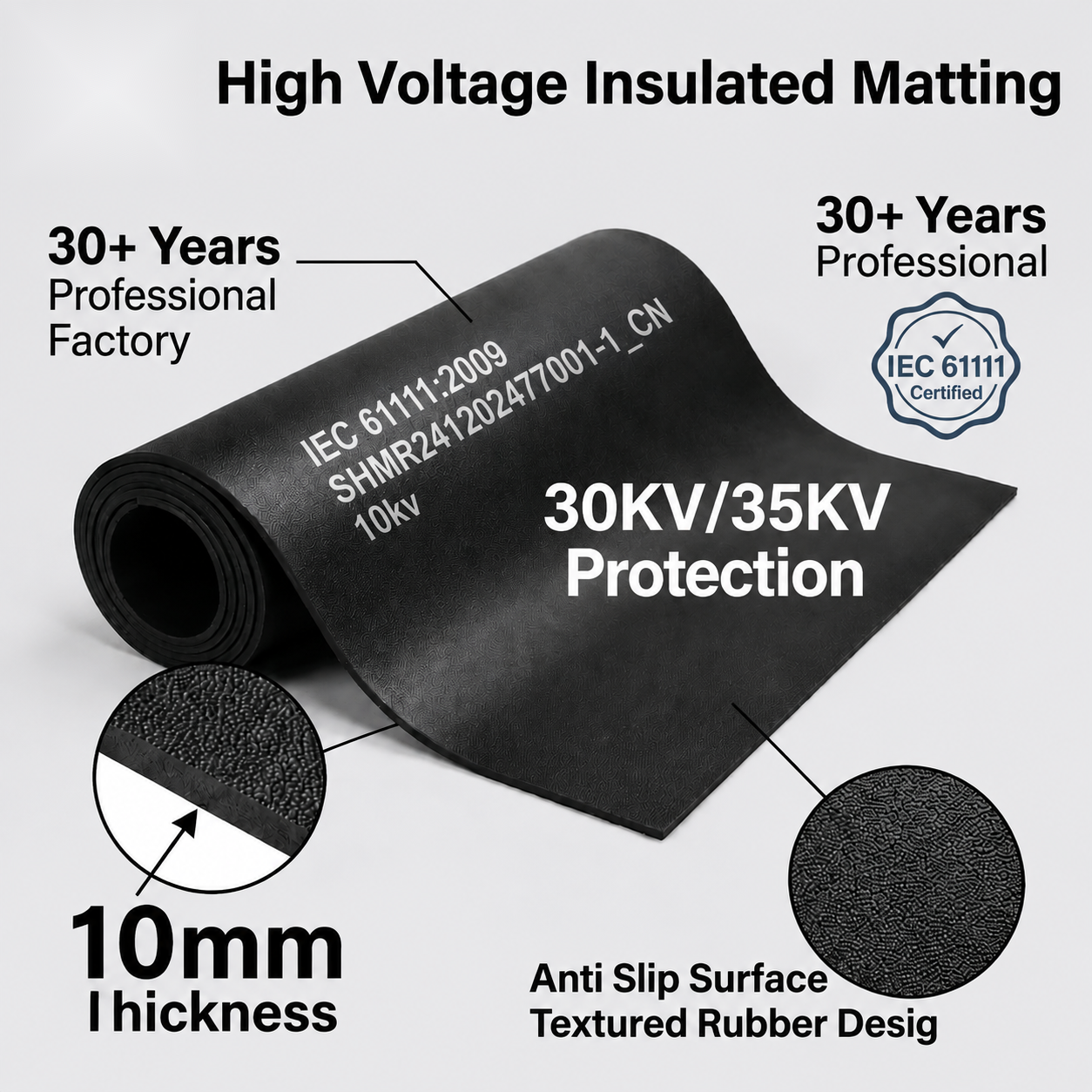
IEC 61111 High Voltage Insulating Rubber Mat
Premium natural-rubber insulating mat for switchgear and distribution rooms, 3/5/6/8/10 mm thickness, 5–35 kV class.
Substation work is a sequence, and the equipment follows the sequence: isolate, prove dead, earth and short-circuit, work from a protected position, then account for every tool. Getting one step wrong is what turns a routine job into an incident.
The first step is isolation, and the second is not optional: proving the circuit dead at the point of work. That is where a voltage detector enters the specification, and why the detector has to suit the network and the point of work rather than the whole range of voltages the site happens to contain.
The third step is earthing and short-circuiting, so that the conductor is held at earth potential and protected against a re-energisation or an induced voltage while the crew is on it. The fourth is the position the crew works from — the mat they stand on, the ladder or platform they reach from. The fifth is the tool account: on a switchgear job, the check that every tool is back in its place is the same check that confirms nothing has been left inside the equipment.
Voltage does not scale the equipment in one dimension, and the two halves scale differently. The insulating side — the mat class, the insulation distance on a clamp, the length of an operating rod — grows with the installation voltage.
The current-carrying side does not work that way at all. A portable earthing set is rated by current, time and peak factor, and its withstand capability does not carry a rated voltage: the prospective fault current at the worksite and the clearing time of the upstream protection are what size it, while the installation voltage sets the insulating component and the geometry. A station close to generation and the far end of a feeder on the same network can need different sets at the same nominal voltage.
On a substation job the paperwork is part of the equipment. Three documents come up again and again: the batch test report for the matting, which is why matting is dielectric tested in our own factory before dispatch and the report travels with the batch; the rated values of the earthing set — current, time and peak factor — because those are what the set is actually rated by; and the tool cabinet record, because a permit-to-work asks who took what and when.
If your procedure requires a specific document format or a specific test class on the certificate, say so at the quotation stage. Producing the right paperwork afterwards is the expensive way to find out.
A full substation package from one manufacturer means the parts cannot turn out to be mutually incompatible on site. The products below are the ones most often specified together; each links to its own page with specifications and test documentation.
Premium natural-rubber insulating mat for switchgear and distribution rooms, 3/5/6/8/10 mm thickness, 5–35 kV class.
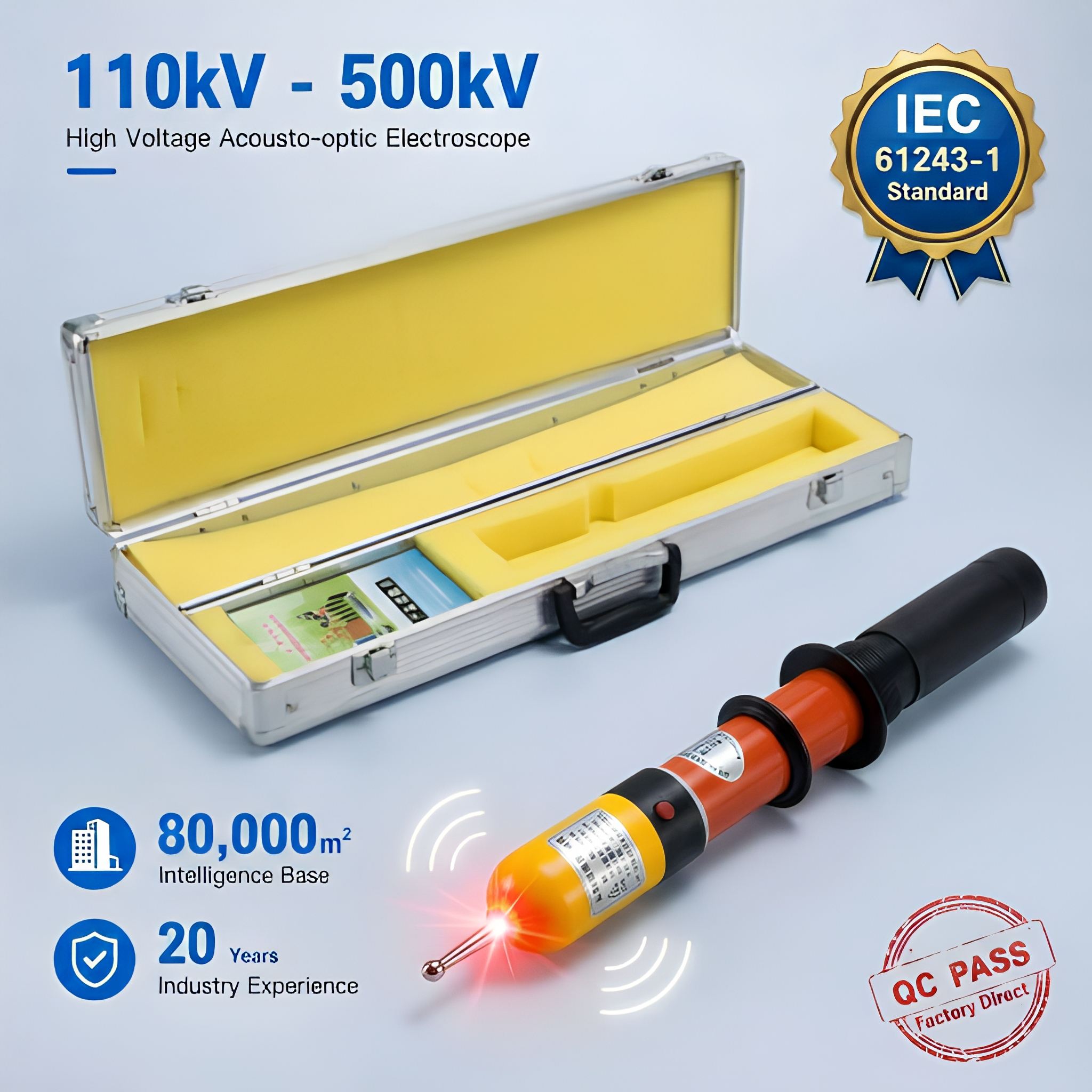
Acousto-optic voltage detector with self-test function and telescopic pole for live-line verification.
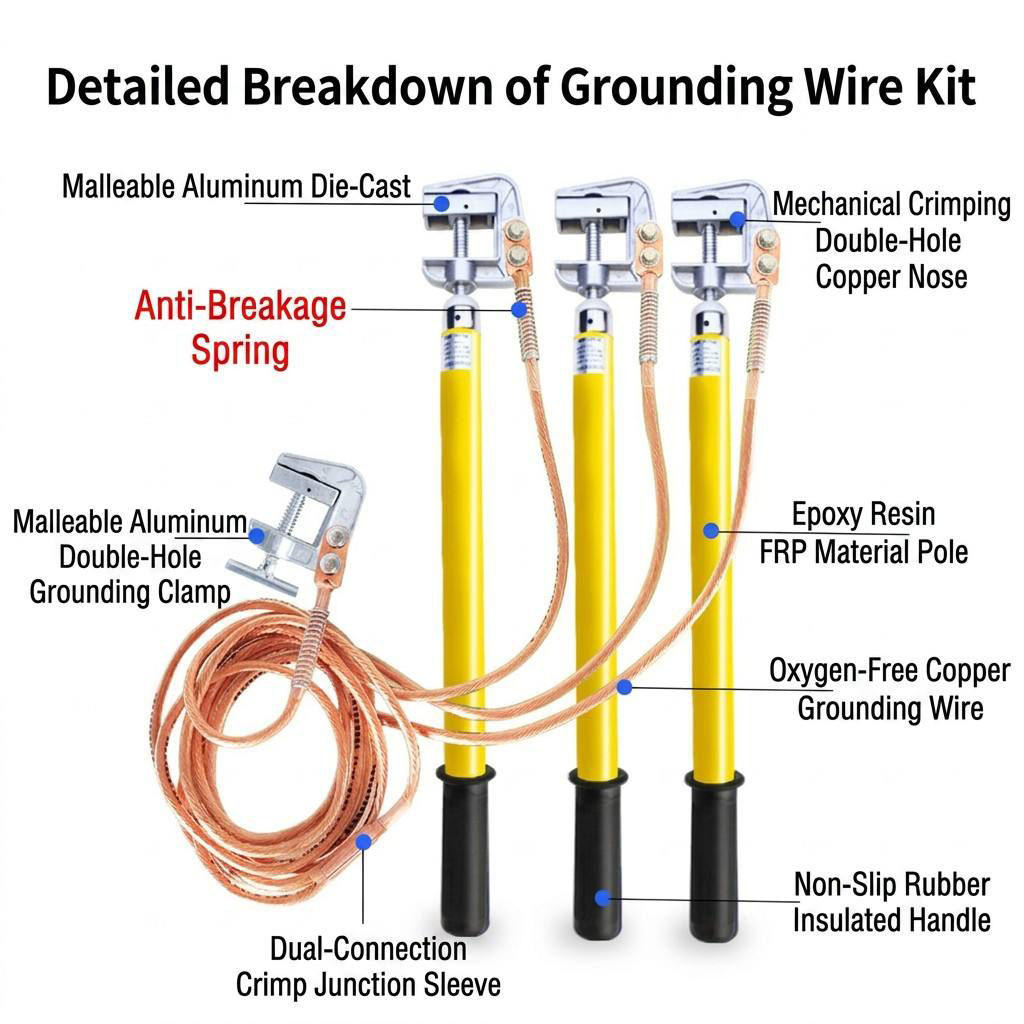
High-purity copper grounding kit, 50/70 mm² conductors, with operating rod.

Portable 3-phase short-circuit grounding device for 110 kV and 220 kV with earth wire set.
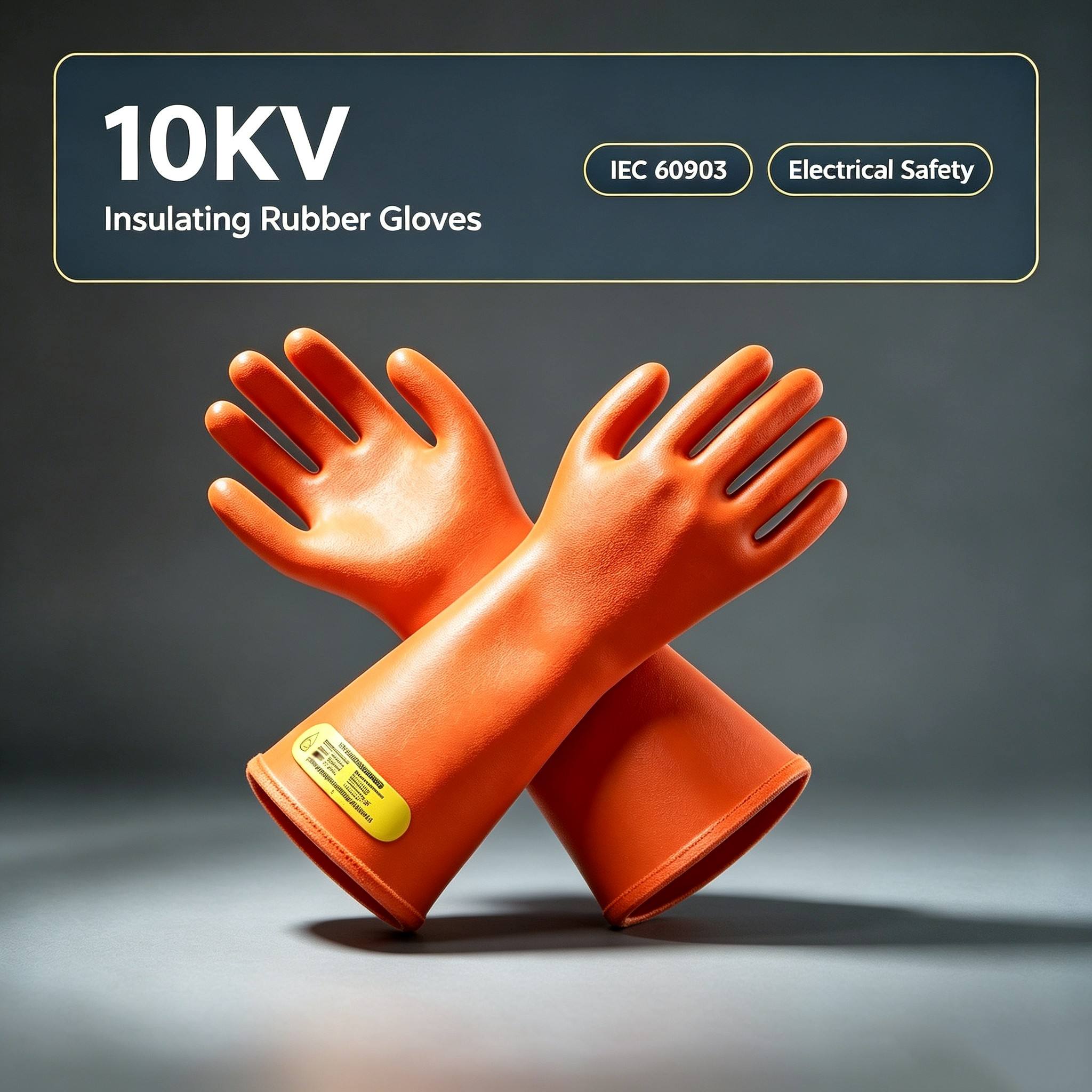
Natural latex insulating gloves for substation and live-line electrical operations, 10–35 kV classes.

Professional electrical safety FRP extension ladder, insulated combined design for power distribution and overhead line maintenance.
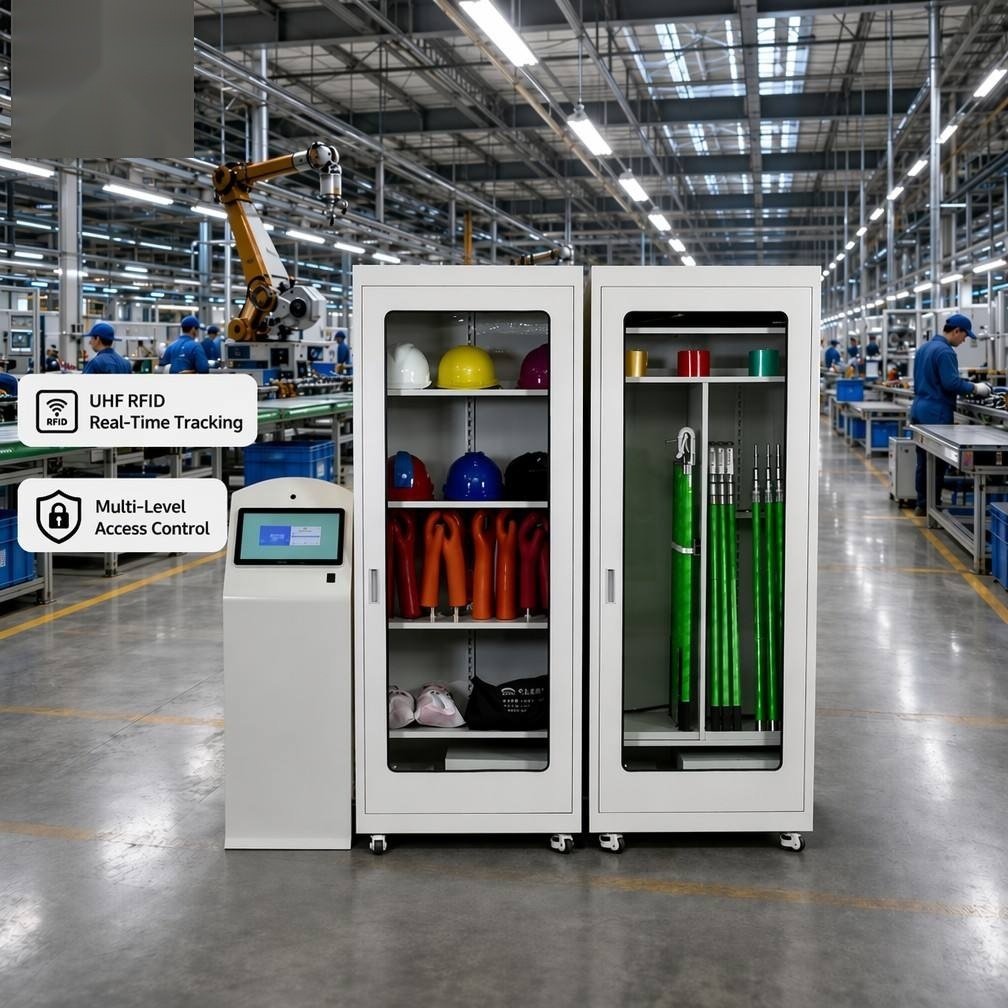
Smart RFID tool tracking cabinet designed for high-voltage switchgear rooms, smart grid monitoring and substation PLC storage.
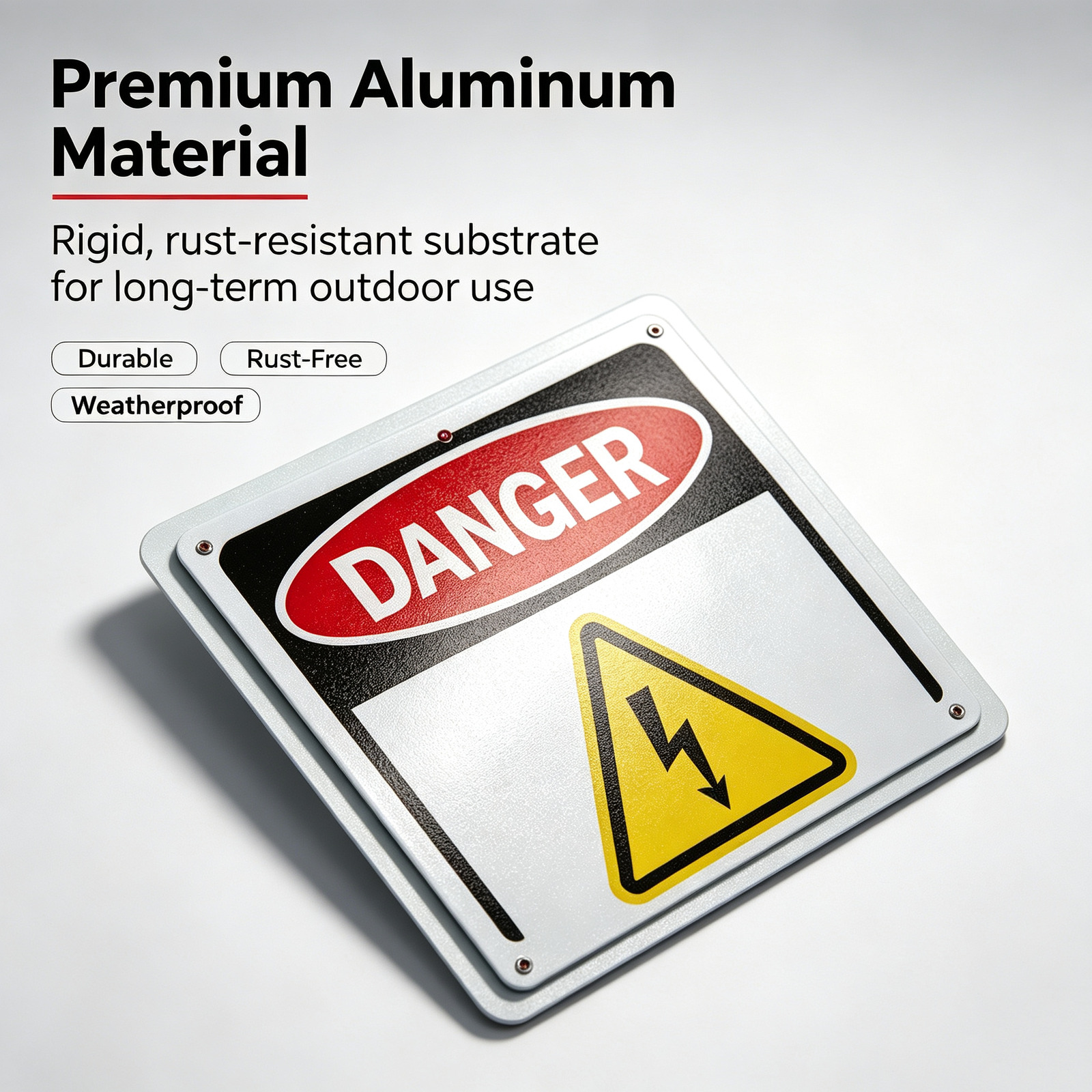
Aluminium safety signs and electrical warning plates for substations, power plants and transmission lines. Designed to ISO 7010 and ANSI Z535 symbol standards, with multilingual text, optional 3M reflective sheeting and custom sizes.
Send us your specifications — insulating mats, gloves, voltage detectors, grounding systems or safety tooling projects. Our engineers respond within 24 hours with technical recommendations and pricing.