Home/Applications/Railway Overhead Catenary (27.5 kV)
Application

Portable Earthing for Railway Overhead Catenary (27.5 kV)

Catenary work is earthing work. Before anyone touches a contact wire the section has to be isolated, proved dead and earthed at the worksite — and the set that does it has to fit the conductor and the structure it is being applied to, from a position that is usually at height.

Home/Application

A catenary set is not a substation set

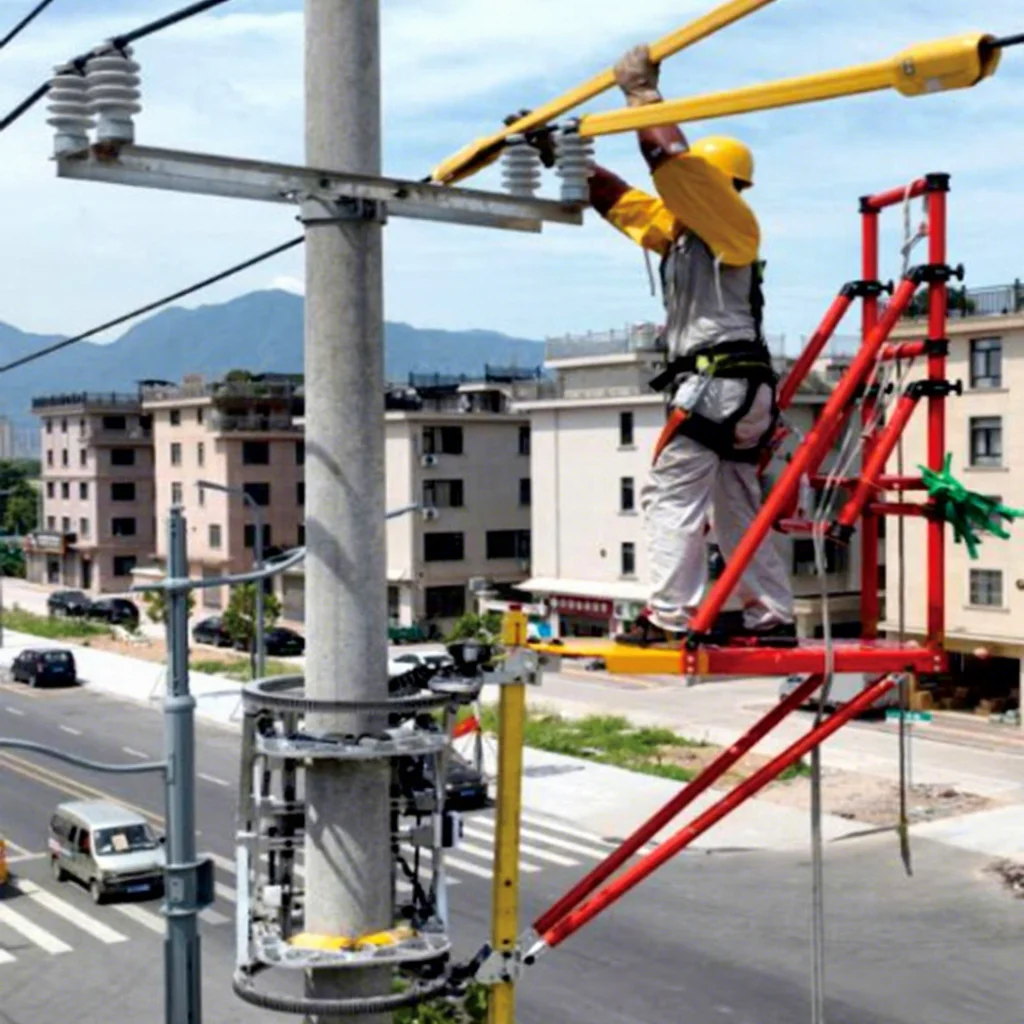
A substation earthing arrangement connects to a busbar or a conductor run that a person can reach from standing height. A catenary worksite is the opposite: the conductor is a contact wire and a messenger wire with droppers between them, carried on masts and portal beams, and the person applying the set is on a platform, a ladder or an elevated vehicle.

That changes the specification in three ways at once — the clamp has to suit the wire rather than a flat bar, the set has to be light and controllable enough to place at height, and it has to be applied and removed without the operator approaching the conductor with their hands.

How a catenary section is earthed

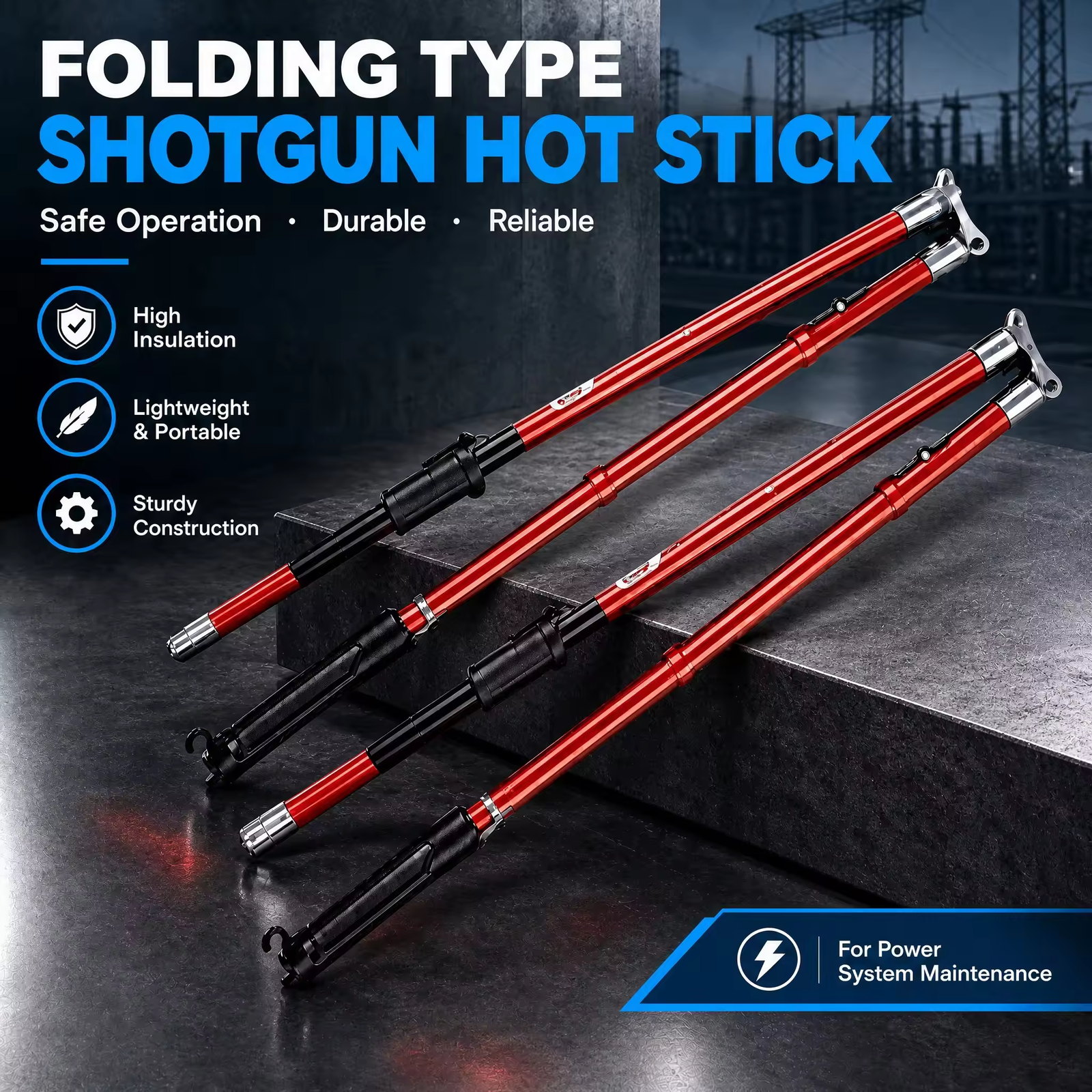
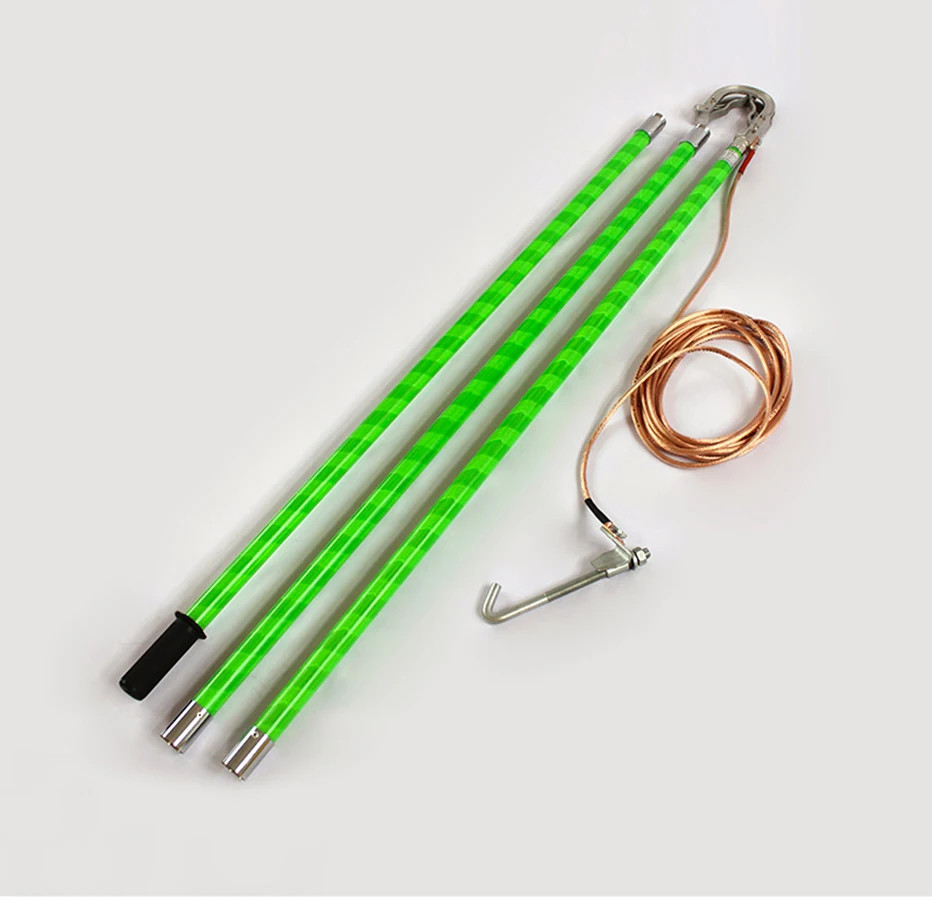
The sequence is the sequence everywhere: the section is isolated at the feeding point, proved dead at the worksite, and then earthed and short-circuited before work starts. The difference in catenary work is that the earth is applied with an insulating operating rod, so the set and the rod are a single arrangement rather than a device and an accessory.

The set is quoted against the site, so it is worth stating the earthing point — running rail or return circuit — the conductor arrangement, and the height and access method the crew will actually be working from. Those three facts decide the clamp, the conductor length and the reach of the rod.

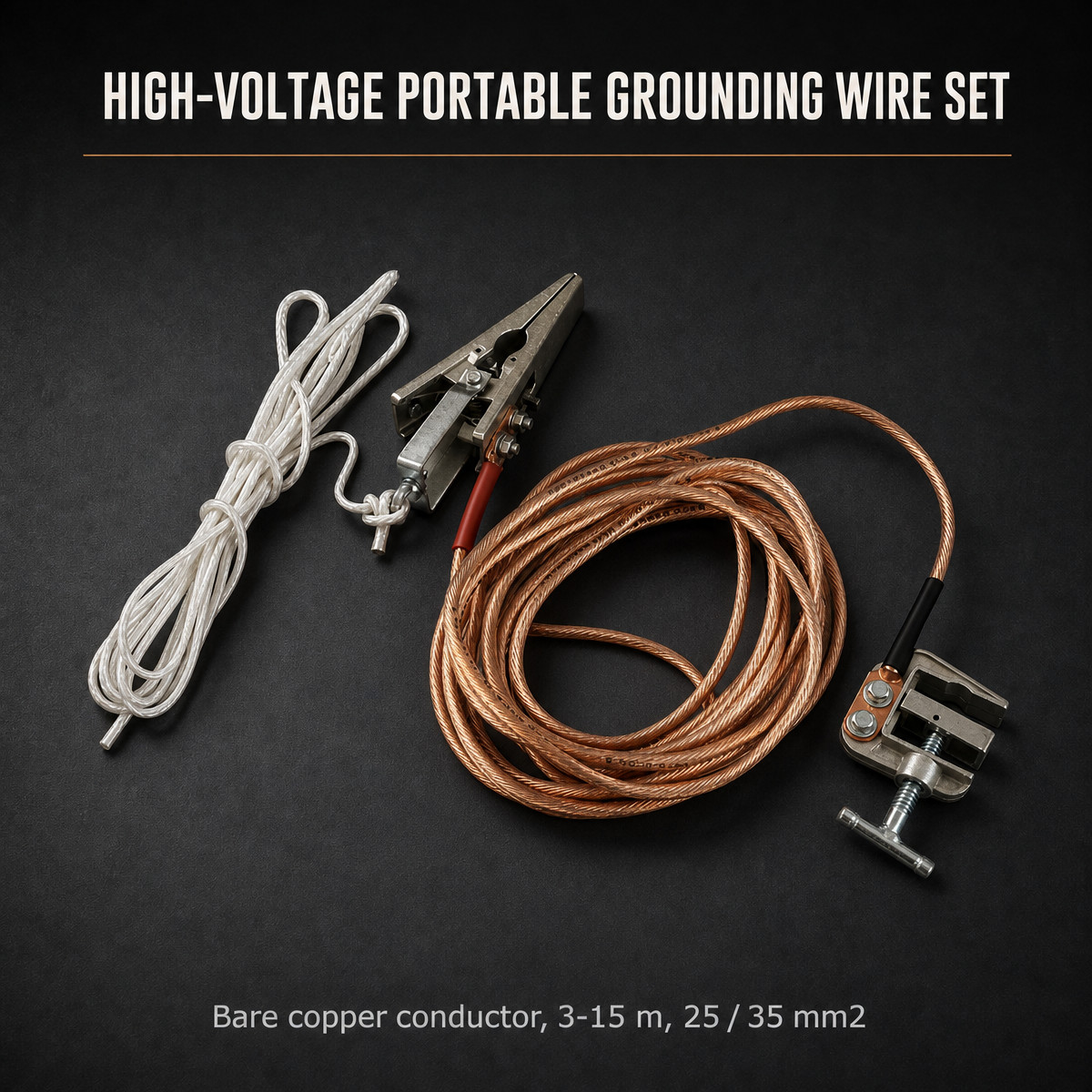
  • 27.5 kV portable railway catenary grounding set with insulating operating rod
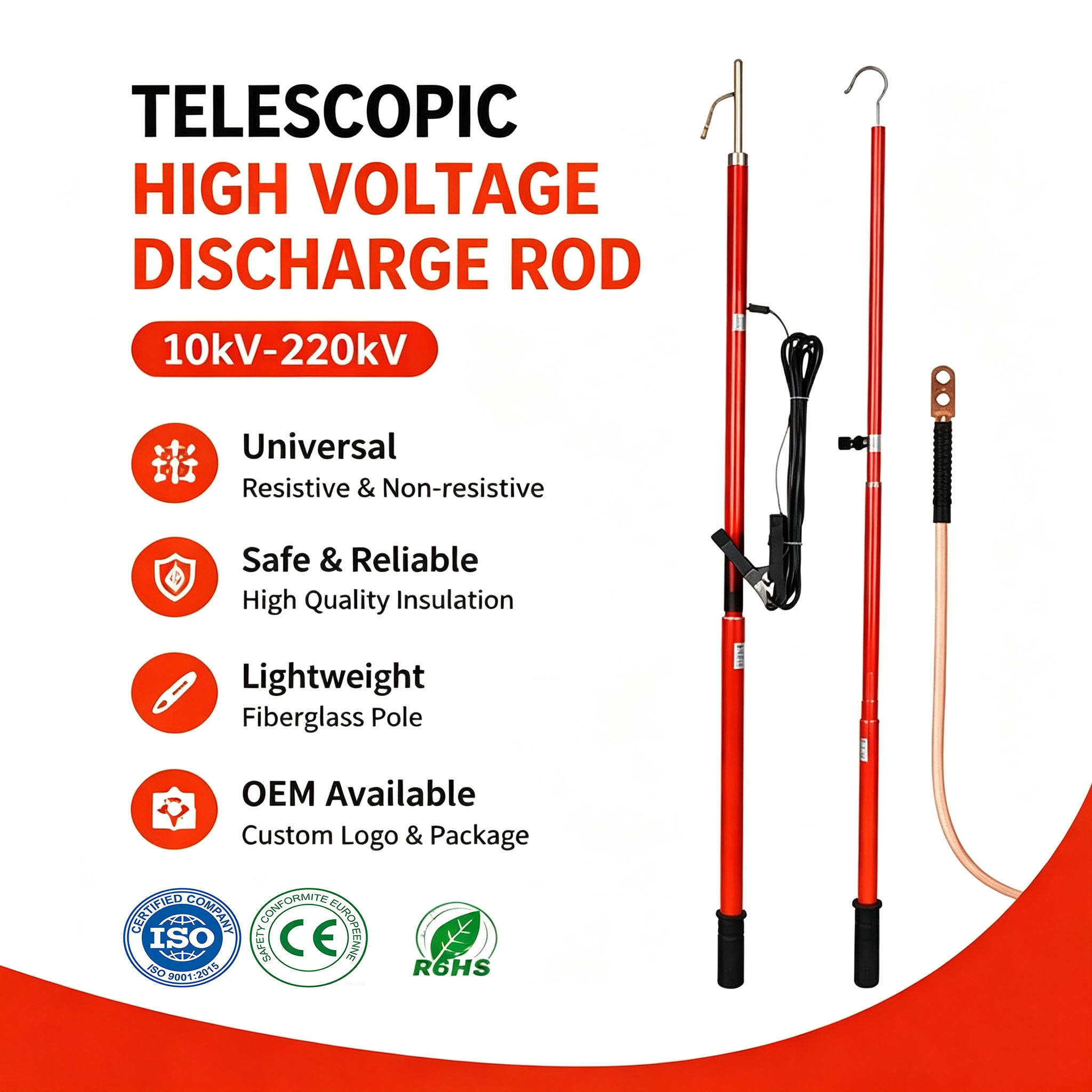
  • Telescopic discharge rod for the HV side of the worksite
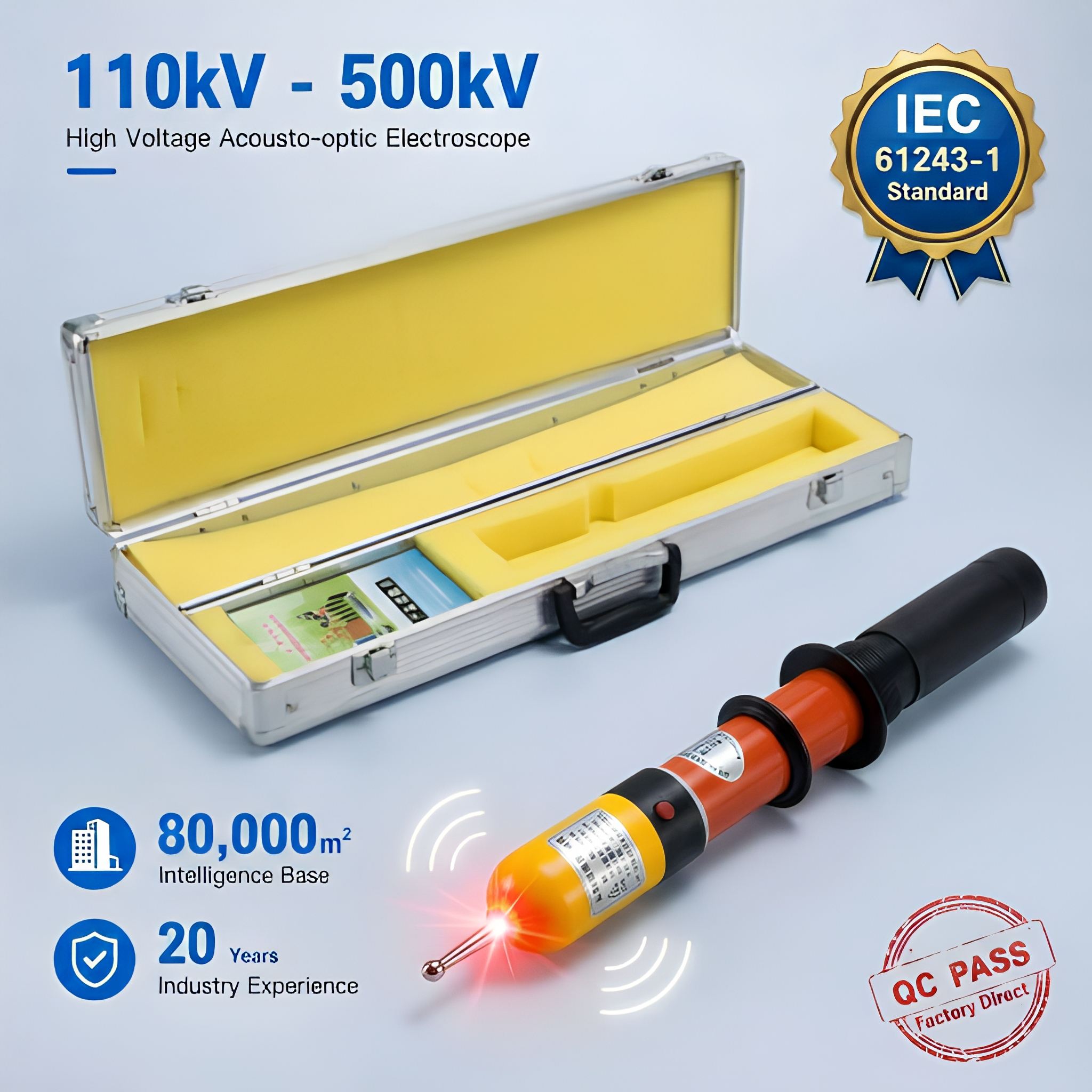
  • Voltage detectors to IEC 61243-1 for proving the section dead
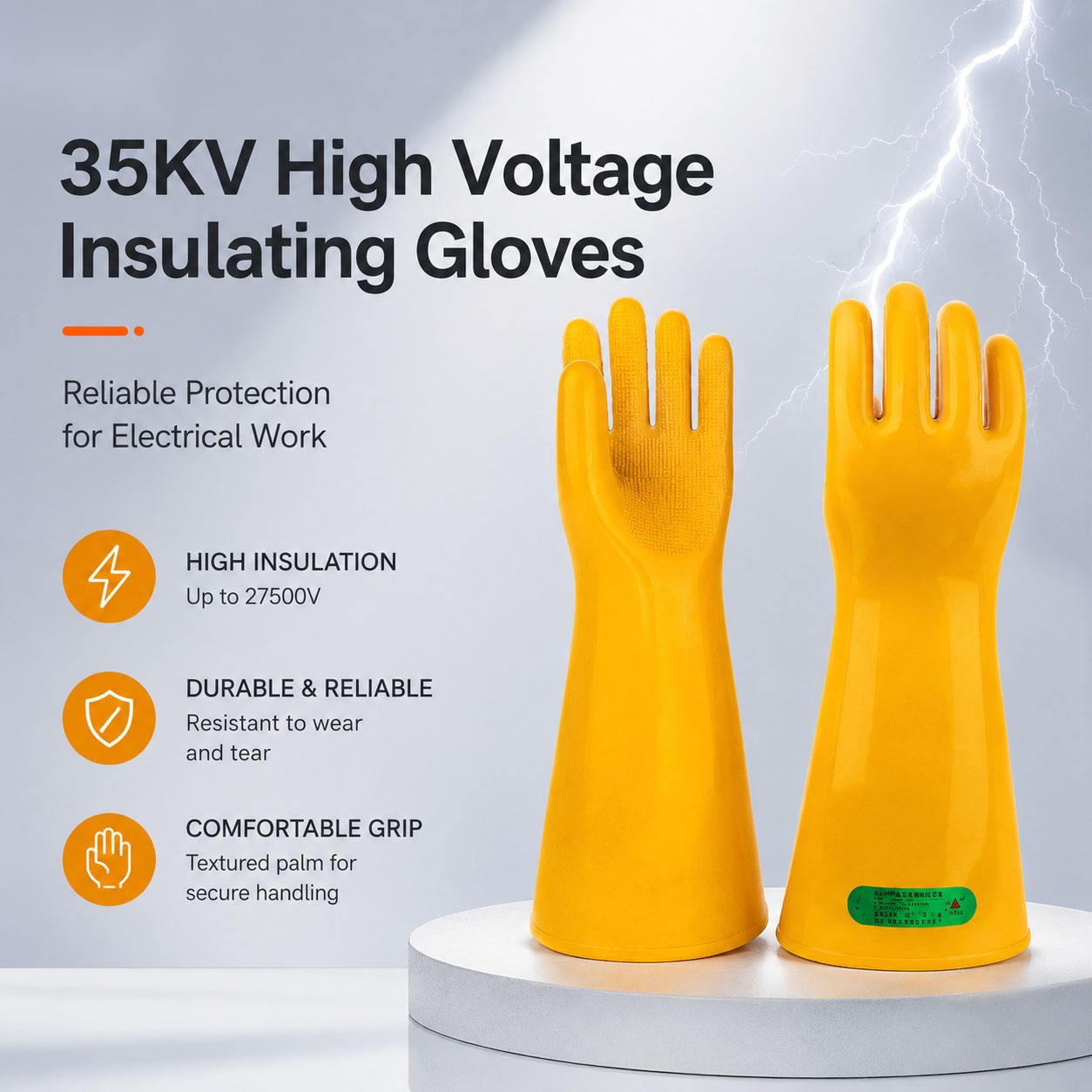
  • Insulating gloves to IEC 60903 and insulated footwear to EN 50321-1
  • Insulating ladders and vehicle-mounted insulated elevating platforms
  • Personal security grounding wire for 35–1000 kV applications

What to send for a quotation

Conductor arrangement and the earthing point in use, the fault level at the worksite, the height and the access method, and the operating reach the crew needs. With those, the set is quoted against the point of work rather than against a catalogue number.

Because we manufacture the conductor, the insulation and the fittings, a specific clamp geometry or conductor length is a drawing question rather than a sourcing problem — which is what makes a catenary set workable on a network where the same set is never quite right for every location.

Equipment for this worksite

Products specified on railway overhead catenary (27.5 kv)

FAQ

Frequently asked questions

Can a substation earthing set be used on a catenary?
Usually not without changing the clamps and the length. The conductor geometry at a catenary — contact and messenger wires with droppers — and the fact that the set is applied at height make this a different arrangement from a busbar connection. Send us the conductor arrangement and the earthing point and we will quote the set for it.
What is the operating rod for?
To apply and remove the earthing set without the operator approaching the conductor by hand. In catenary work the rod is part of the arrangement rather than an accessory, which is why the set is quoted with the reach the crew actually needs.
Do you supply a discharge rod as well?
Yes — a telescopic high voltage discharge rod is part of the range for the high-voltage side of a worksite. Tell us the system voltage and the access arrangement and we will include it in the quotation.
What documentation comes with the set?
The set is rated by current, time and peak factor under IEC 61230, so that is what the documentation states, and the test documentation travels with the order. Tell us at the quotation stage which document your railway authority requires.
Discuss your worksite
Start Your Project

Let's build your power infrastructure together

Send us your specifications — insulating mats, gloves, voltage detectors, grounding systems or safety tooling projects. Our engineers respond within 24 hours with technical recommendations and pricing.