
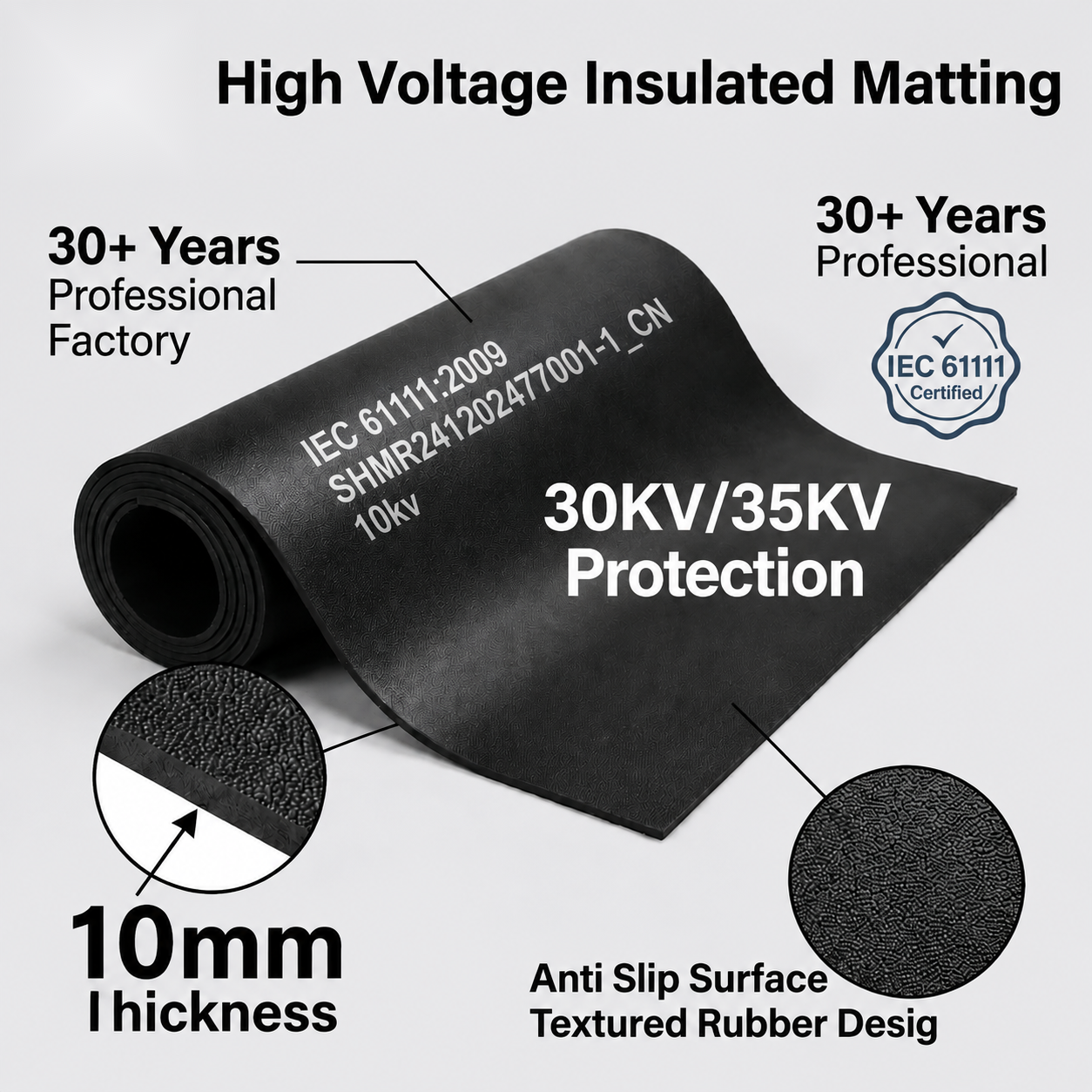
IEC 61111ASTM D178RoHS
IEC 61111 High Voltage Insulating Rubber Mat
Premium natural-rubber insulating mat for switchgear and distribution rooms, 3/5/6/8/10 mm thickness, 5–35 kV class.
Insulating rubber matting is the floor-level barrier between a maintenance crew and live switchgear. We manufacture it to IEC 61111 and ASTM D178 in 5 kV, 10 kV and 35 kV classes, and it is dielectric tested before it leaves the factory.
A mat is sized from the maximum service voltage of the installation it protects, not from the voltage a crew happens to be working at. On a three-phase circuit that normally means the phase-to-phase voltage; where the exposed part of the work is genuinely limited to one phase, the phase-to-earth figure is the one to use instead.
Once the class is settled, the standard sets a thickness window for that class. Thickness is therefore a consequence of the class, not a value you buy on its own — which is why a millimetre figure quoted without the class it belongs to cannot be checked against anything.
The two standards describe the same job differently. IEC 61111 assigns the class, and separately assigns the thickness window for that class. ASTM D178 sets performance by Type: Type I is the default supply grade, while Type II covers the higher-performance elastomers.
Where a specification calls for Type II, the letters that follow it are the part that matters in a specific environment — they can be specified singly or in combination. Two suppliers can both quote to the same nominal class and still deliver different material, so the standard and the type both belong on the purchase order line.
Five things cannot be guessed by a supplier: the standard and class required, the thickness required for that class, the roll or sheet dimensions, the surface finish, and whether a test certificate is needed per batch or per delivery.
The last one costs the most when it is left off, because a batch test report and a type test report are not the same document — and the difference usually surfaces when an inspector asks for the wrong one.
Matting that has never been used still runs out of time. Under IEC 61111, matting that has been in storage for 12 months has to be examined and electrically tested before it goes into service, even unused and still wrapped. Age is the trigger, not wear.
This is the rule most often missed at stocktake, because a storeroom full of wrapped matting looks exactly like a storeroom full of new product.
IEC 61111 high-voltage insulating rubber mats for switchgear rooms, distribution rooms and substations — available from 3 mm to 10 mm, 5 kV to 35 kV.
Premium natural-rubber insulating mat for switchgear and distribution rooms, 3/5/6/8/10 mm thickness, 5–35 kV class.
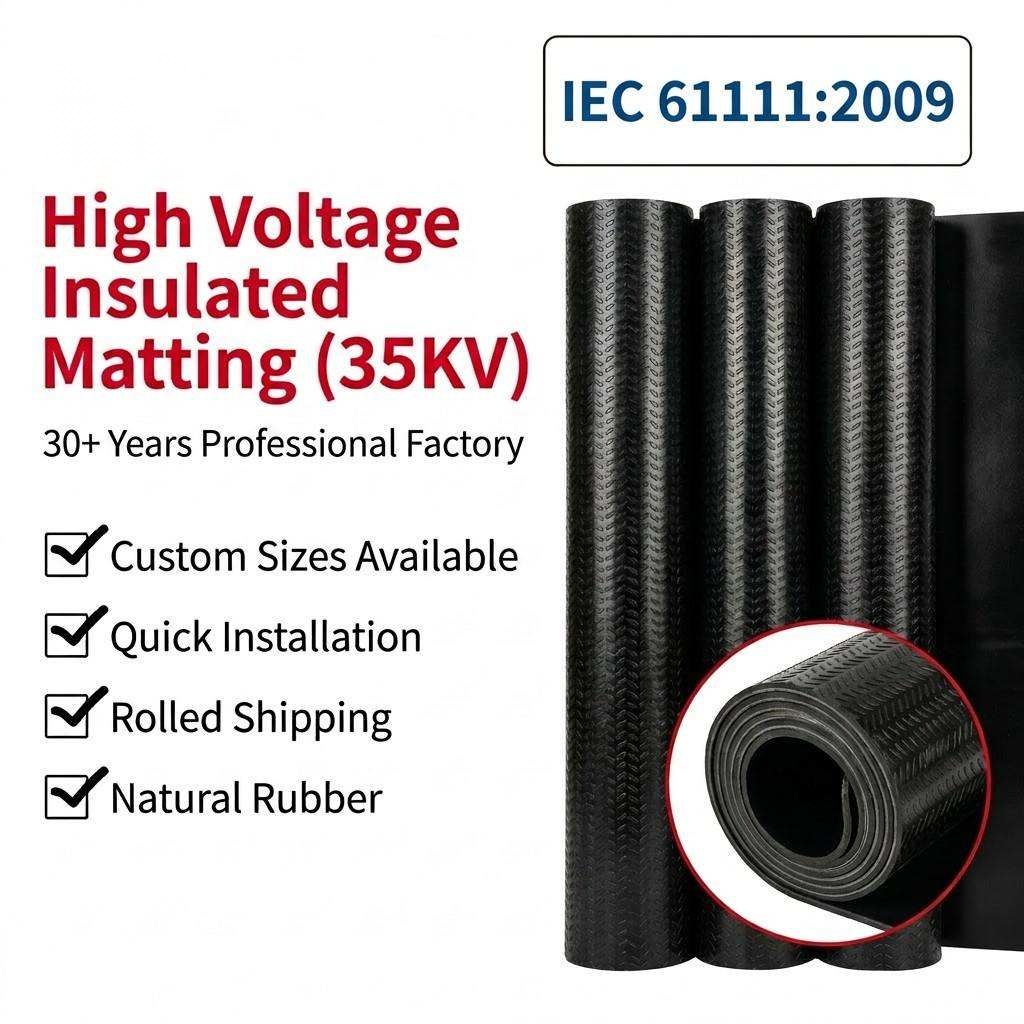
Anti-slip switchroom insulating mat complying with IEC 61111, tested 100% before shipment.
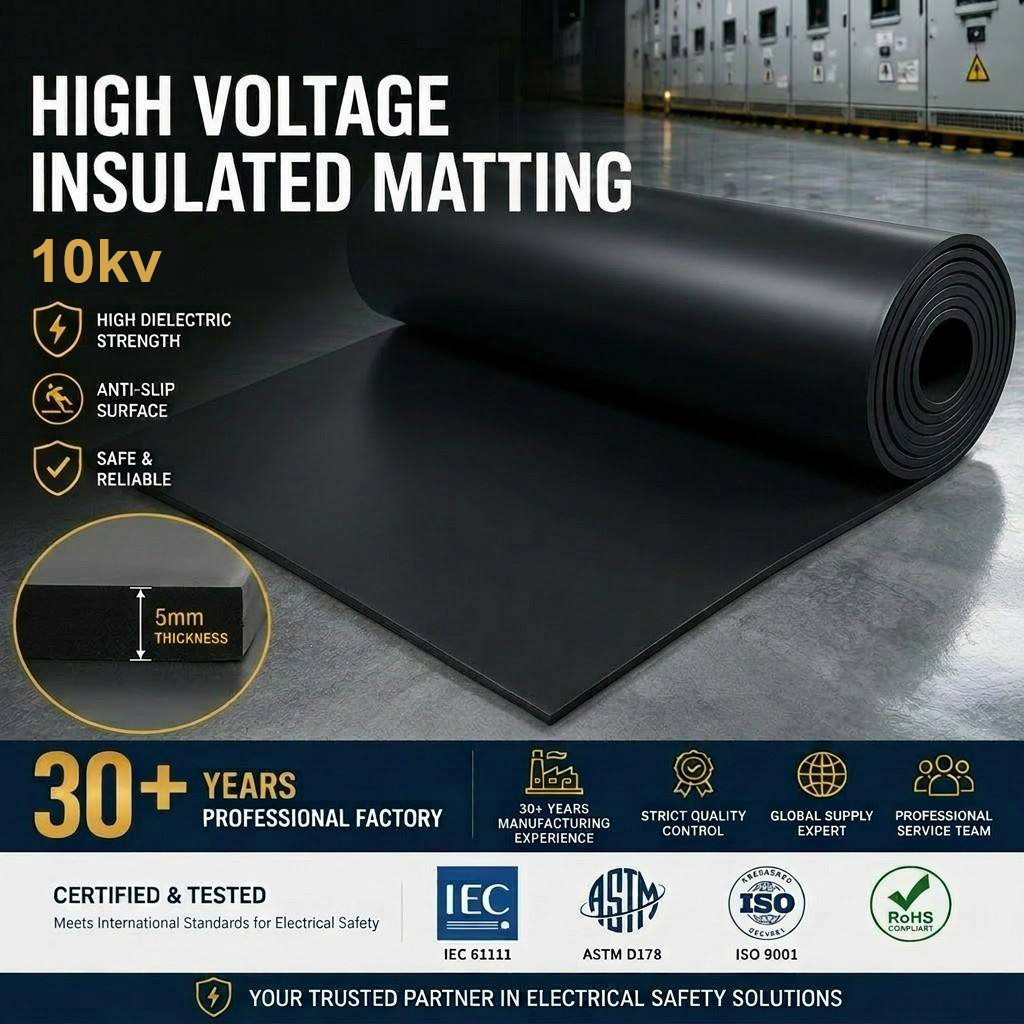
High-protection electrical grade mat for switchgear rooms and distribution panels.
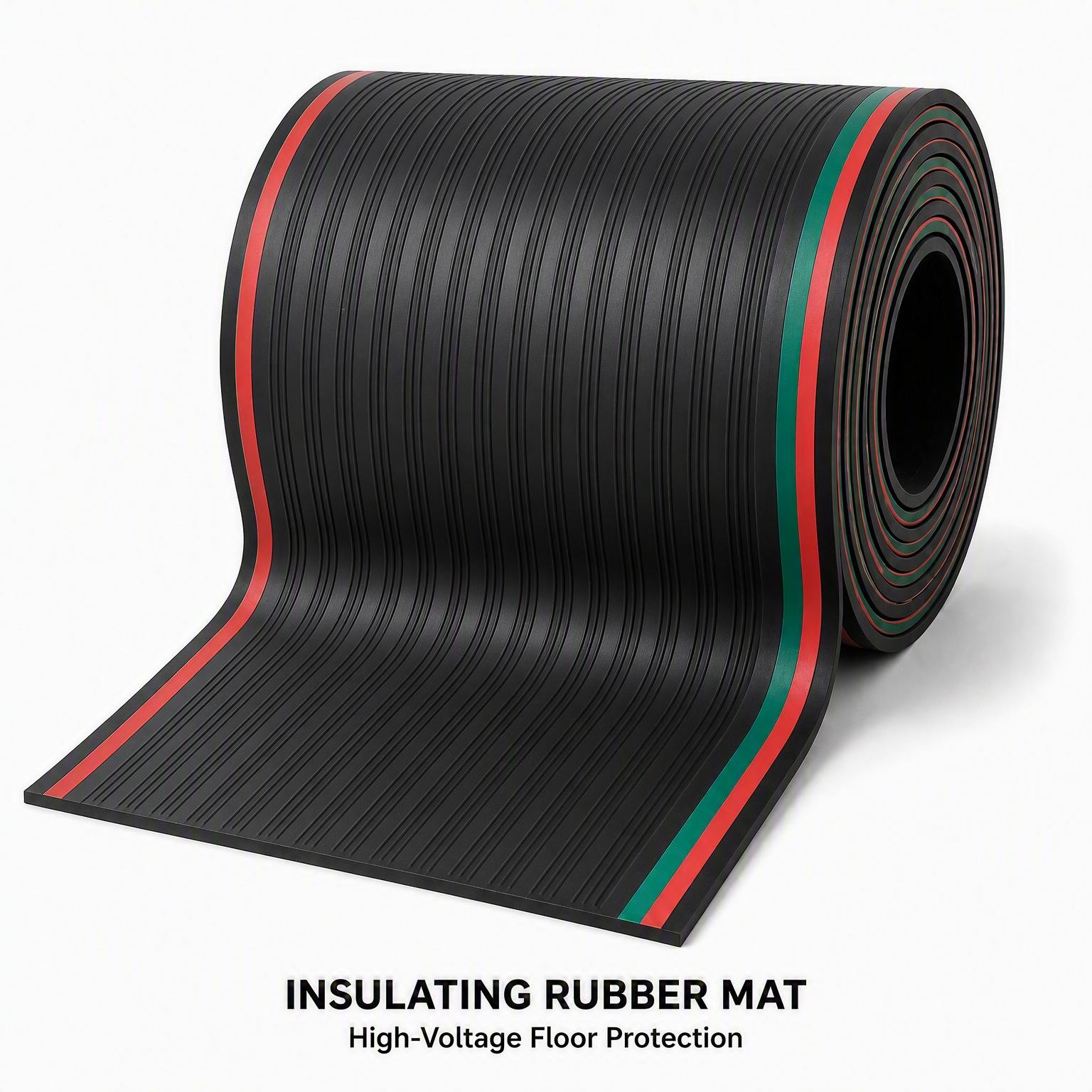
Striped insulating rubber sheet in 1 m × 10 m rolls, OEM custom branding available.
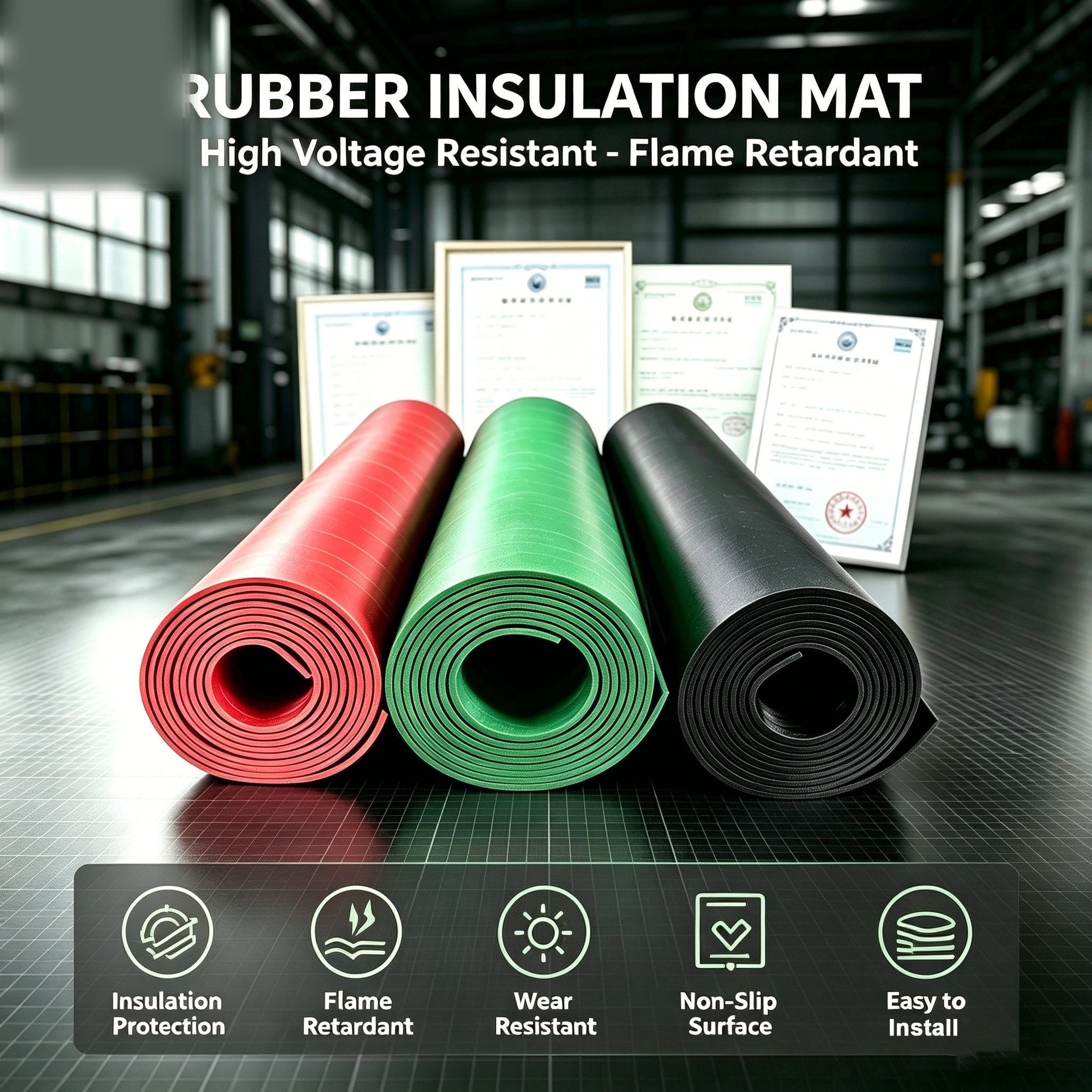
Dual-protection floor mat combining ESD anti-static and high-voltage insulation for EV battery lines and switchboards.
One reference for every figure behind insulating mat selection: IEC 61111 Class 0-4 voltages and proof test levels, the thickness window for each class, the ASTM D178 ladder, colour codes and retest voltages.
Read the guide Insulation & Standards · 9 min readThickness does not set a mat's voltage rating — the class does. A guide to the IEC 61111 Class 0–4 table, the selection rule, and how to write a specification that survives an audit.
Read the guideSend us your specifications — insulating mats, gloves, voltage detectors, grounding systems or safety tooling projects. Our engineers respond within 24 hours with technical recommendations and pricing.